


Ford BlueCruise vs. Tesla Autopilot: 2025’s Head-to-Head Autonomous Driving Comparison
- Hands-free where it counts: Ford BlueCruise enables hands-free driving in mapped Blue Zones (most controlled-access highways). See BlueCruise-equipped Ford inventory.
- Driver attention & safety: BlueCruise uses infrared eye-tracking and has a strong safety record, with clear, consistent prompts to keep you engaged.
- Costs & updates: Over-the-air updates keep features fresh. BlueCruise offers monthly or annual plans; our team can help you choose the right setup.
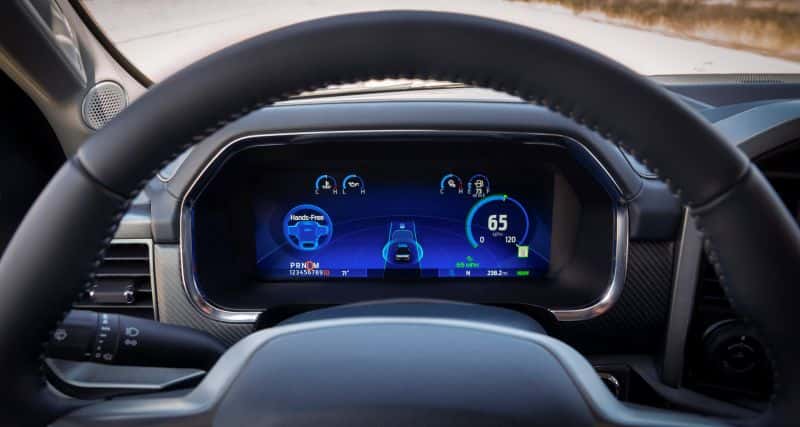 Self-driving cars are no longer the stuff of science fiction. The future of motoring is already here, thanks to leading Advanced Driver Assistance Systems (ADAS) like Ford BlueCruise and Tesla Autopilot. Experts predict that these technologies will become as vital as cruise control within five years, so it makes sense to invest in ADAS-equipped vehicles today. But which one is the best choice for you in 2025? We compare Ford BlueCruise and Tesla Autopilot to help you make the right decision.
How the BlueCruise and Autopilot Systems Work
Ford BlueCruise and Tesla AutoPilot are both level 2 ADAS, which means they deliver partial driving automation. However, they work a little differently.
Ford BlueCruise uses cameras, external sensors, radars, and GPS-enabled digital mapping technologies to monitor your vehicle’s location, including its position within a lane. While vehicles with AutoPilot originally used ultrasonic sensors and radar, Tesla recently scrapped these technologies. The latest models rely exclusively on cameras under Tesla’s Vision plan, which Tesla believes will improve safety. While Autopilot uses GPS to determine the appropriate speed limit for your vehicle’s location, it relies on feedback from its cameras, rather than GPS data, to travel safely on your route.
Advanced lane centering assistance is always active when you use Ford BlueCruise. This high-tech feature detects lane markings and makes any necessary steering adjustments to keep you perfectly centered in your lane, even when you’re cornering. It helps make your ride smoother, safer, and less tiring by giving you one less thing to worry about. Tesla offers lane centering as part of its Autosteer function, which you can use in conjunction with Autopilot. In Autosteer mode, Autopilot adjusts the Tesla’s speed and position to maintain a safe position within the lane that’s not too close to the vehicle in front.
Hands-Free Driving with BlueCruise and Autopilot
You can only use BlueCruise within Ford’s designated Blue Zone network, which encompasses around 97% of North America’s controlled access highways. That includes many local highways you probably travel on regularly, including I-75 and GA-401. In contrast, you can use Tesla Autopilot absolutely anywhere. While that flexibility might seem like a strength, experts note that it’s very risky for automakers to offer a service that works on roads they haven’t mapped. While Tesla is willing to accept the increased liability, it’s understandable that Ford errs on the side of caution.
Ford allows hands-free operations within its Blue Zones, but Tesla requires its users to keep their hands on the wheel to show they’re engaged. So while it touts itself as part of the hands-free driving revolution, Autopilot isn’t strictly speaking a hands-free ASAD.
Safety Features and Driver Monitoring Systems
BlueCruise and Autopilot also have different strategies for monitoring drivers. BlueCruise uses an infrared camera-based driver-monitor system with eye tracking to make sure you’re focused behind the wheel. If your eyes start to close or wander from the road, BlueCruise sends an alert. If you don’t heed this warning and start focusing, the BlueCruise system deactivates.
After criticism from the National Highway Safety Administration (NHTSA), Tesla has increased measures to keep Autopilot users engaged. Its new vision-based attention monitoring system is now similar to BlueCruise, using a camera to ensure drivers keep their eyes on the road. The old system, which asked drivers to continuously apply pressure to the steering wheel, will now be a backup for times when the camera isn’t suitable, such as if the driver is wearing sunglasses or the lighting is poor. As BlueCruise has an infrared camera, it will still work in many conditions that the Autopilot cabin camera can’t.
While Tesla has recently improved Autopilot, BlueCruise’s strong safety record shows it’s always offered peace of mind. Autopilot has been linked to 956 reported crashes and 51 fatalities. BlueCruise has been linked to just 11 accidents, with 3 fatalities. In 2023, the Insurance Institute for Highway Safety also gave BlueCruise its strongest safety rating, noting that it was more impressive than Autopilot.
Software Updates and Subscription Models
Tesla and Ford both deliver over-the-air software updates, so you’ll always run the latest version of BlueCruise or Autopilot without booking a Ford service appointment in Macon or upgrading your vehicle. These updates may include more responsive braking and acceleration algorithms and smoother lane changes. Ford BlueCruise updates may also expand your hands-free driving network as Ford maps new regions.
If you shop new Ford inventory, you can receive a complimentary BlueCruise subscription. Trial subscriptions last for 90 days or one year, depending on your selected model and trim. After your trial subscription ends, you can subscribe to BlueCruise through FordPass. A 1-month subscription costs $49.99 and is a convenient option for road trips to nearby states like Florida and Tennessee. Alternatively, you can save over time by choosing a 1-year subscription for $495. Ford also offers a one-time purchase price of $2,495 at the dealership, which may help you save over the life of your Ford.
Basic Tesla Autopilot, including adaptive cruise control and autosteer, comes standard with new Tesla purchases. However, if you want to enjoy the full autonomous driving experience, you can make a one-time purchase of $8,000 or subscribe for $99 a month.
Which System is Right for You?
Tesla was a pioneer of automotive driving, but with a Consumer Reports rating of 61, it seems to be lagging behind. In contrast, Ford SuperCruise topped the rankings with a score of 84 points. Users praised its capabilities, ability to engage its driver, and clear instructions for safe usage. That’s impressive for a system that’s a fraction of the price of Tesla’s competitor. If you’re interested in hands-free driving, Tesla’s no longer your only option. Ford BlueCruise is an impressive ASAD available now with vehicles at Riverside Ford. Come visit our Macon Ford dealership to test drive the latest self-driving Ford models featuring BlueCruise.
Frequently Asked Questions
Is Ford BlueCruise truly hands-free?
Yes, BlueCruise allows hands-free driving in Ford’s mapped Blue Zones on most controlled-access highways. You must remain attentive, as the infrared driver-monitoring camera requires your eyes on the road. Check BlueCruise-equipped models in stock.
Which is safer: BlueCruise or Tesla Autopilot?
Both are Level 2 systems that require active supervision. BlueCruise pairs lane centering with infrared eye-tracking, and its safety record and driver-engagement prompts are strong in independent evaluations. Always drive alert and ready to take over.
How much does BlueCruise cost after the trial?
Most new Fords include a complimentary BlueCruise trial (model/trim dependent). After that, you can subscribe monthly or annually via FordPass. Our advisors can walk you through plans and setup—contact us.
Do I need a service visit to update BlueCruise?
No. BlueCruise receives over-the-air updates. If you want a checkup or have questions about features, you can schedule a service appointment with Riverside Ford.
0 comment(s) so far on Ford BlueCruise vs. Tesla Autopilot: 2025’s Head-to-Head Autonomous Driving Comparison