


Ford Explorer vs. Ford Escape: Which SUV is Best For You?
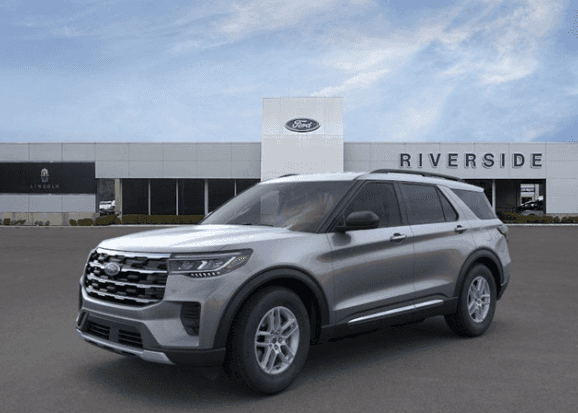
Choosing between the Ford Explorer and Ford Escape comes down to understanding how you’ll actually use your SUV. At Riverside Ford, we’ve helped Middle Georgia families navigate this decision since 1968, and we find it always hinges on practical factors. Both vehicles deliver Ford’s signature build quality and modern technology, but they excel in different areas. The Explorer targets families needing three rows of seats and substantial cargo space, while the Escape serves drivers looking for efficiency and easier parking.
Ford Explorer vs. Ford Escape: Two SUVs Built for Different Lifestyles
The Ford Escape versus Ford Explorer debate reflects two distinct vehicle philosophies. The Escape positions itself as a compact crossover that puts maneuverability and fuel economy first. It slips through tight parking garages with ease and delivers impressive mileage for daily I-75 commutes to Atlanta. This SUV appeals to professionals, small families, and anyone who values nimbleness over sheer size.
The Explorer takes a completely different approach. This mid-size SUV offers three rows of seating and commanding road presence. Families with multiple children, carpoolers, and outdoor enthusiasts find the Explorer’s spaciousness essential. The vehicle handles highway cruising comfortably and provides enough power for towing recreational equipment. Where the Escape excels in urban environments, the Explorer shines on road trips and when hauling people or gear becomes a priority.
Both SUVs share Ford’s commitment to safety technology and driver convenience through Ford Co-Pilot360®. They feature similar infotainment systems, though the Explorer typically includes larger screens and more premium options. The choice between these models rarely comes down to quality. Instead, it depends on matching vehicle capabilities to your actual transportation needs.
Size and Space: How Much Room Do You Really Need?
The size comparison reveals significant differences that directly impact daily usability. The Explorer stretches nearly 16 feet long, while the Escape measures about 14 feet. This extra length translates to more interior volume and passenger space. The Explorer sits higher off the ground, providing better visibility in traffic and a more commanding driving position.
Size matters most when you regularly transport multiple passengers or large items. The Explorer’s dimensions allow for comfortable three-row seating without cramping rear passengers. The Escape’s compact footprint makes parallel parking and garage storage simpler, particularly useful in downtown Macon or Warner Robins shopping districts.
Consider your typical driving environment when comparing these Ford SUV options. City dwellers benefit from the Escape’s smaller turning radius and easier maneuverability. Suburban and rural drivers find the Explorer’s size less problematic and appreciate the added interior volume. We encourage test driving both models in your actual neighborhood to get valuable perspective on which dimensions suit your lifestyle better.
Seating Capacity and Passenger Comfort
Here’s how passenger space breaks down between these models:
| Feature | 2025 Ford Escape | 2025 Ford Explorer |
| Seating Capacity | 5 | 6-7 |
| Max Passenger Volume (cu. ft.) | 104 | 150.3 |
| Front/Rear Legroom (in.) | 42.4 / 40.7 | Greater overall space for three rows |
| Front/Rear Headroom (in.) | 40.0 / 39.3 | Ample for larger groups |
The Explorer accommodates up to seven passengers across three rows, making it ideal for larger families or frequent carpooling. The second row offers generous legroom, and adults can sit comfortably in the third row for shorter trips. The elevated seating position gives excellent visibility for all passengers, which helps reduce motion sickness on longer journeys. Compare available Ford Explorer models to see how three-row seating fits your passenger needs.
The Escape seats five passengers comfortably, with ample space in the front seats and reasonable legroom in the rear. Taller passengers might find the back seat less accommodating on extended drives, but it works well for typical daily use. The front seats in both models offer similar comfort levels and adjustment options.
Families with young children should consider that the Explorer’s third row offers flexibility as kids grow. You can transport friends to sports practice or accommodate visiting relatives without cramming everyone together. The Escape works perfectly for families with one or two children who rarely need extra seating capacity.
Cargo Room for Daily Errands and Weekend Adventures
Cargo capacity highlights another major difference:
| Feature | 2025 Ford Escape | 2025 Ford Explorer |
| Cargo Behind Rear Seats (cu. ft.) | 37.5 | 16.3 (behind third row) |
| Max Cargo Volume (cu. ft.) | 65.4 (gas), 60.8 (hybrid) | 85.8 |
The Explorer’s maximum cargo capacity accommodates everything from weekly grocery runs to camping gear for family vacations. With the third row folded, you gain significant space. With both rear rows down, the Explorer becomes a hauling machine perfect for home improvement projects or weekend trips.
The Escape offers about 37.5 cubic feet behind the rear seats and expands to roughly 65 cubic feet with the rear seats folded. This capacity handles everyday needs like shopping bags, sports equipment, and luggage for small families. The lower cargo floor makes loading heavy items easier, though the overall volume can’t match the Explorer’s capability.
Weekend warriors and outdoor enthusiasts appreciate the Explorer’s ability to swallow kayaks, camping equipment, or multiple sets of golf clubs without forcing passengers forward. The Escape works well for errands and light recreational use but requires more careful packing for extended trips. Think about your typical cargo needs beyond just occasional big-haul situations.
Performance and Efficiency on the Road
The Explorer typically comes with more powerful engine options compared to the Escape’s focus on efficiency. Base Explorer models feature turbocharged EcoBoost engines that deliver robust acceleration and confident highway passing power. The available 3.0L EcoBoost V6 produces 400 horsepower and 415 lb-ft of torque for those wanting serious performance.
The Escape puts fuel efficiency first with smaller, more economical engines. Standard engines provide adequate power for city driving and highway merging while delivering better mileage. The Escape feels nimbler in traffic, with quicker steering response and easier maneuverability around obstacles. This agility makes daily commuting less stressful and more engaging.
Both SUVs handle well for their size classes, with responsive steering and composed ride quality. The Explorer’s larger wheelbase delivers stability at highway speeds and when navigating rough roads. The Escape’s lighter weight contributes to better fuel economy and more energetic acceleration from its smaller engines.
Towing Power for Boats, Campers, and Trailers
Towing capability represents one of the clearest distinctions when you compare these Ford SUVs:
| Feature | 2025 Ford Escape | 2025 Ford Explorer |
| Max Towing Capacity (lbs.) | 1,500-3,500 | 5,000 |
| Explorer Engine Option | N/A | 3.0L EcoBoost V6: 400 hp, 415 lb-ft torque |
| Trailer Features | N/A | Class III Tow Package, Trailer Sway Control standard |
The Explorer can tow up to 5,000 pounds when properly equipped, making it suitable for pulling travel trailers, boat trailers heading to Lake Sinclair, or equipment haulers. This capability opens recreational possibilities that many families value, even if they only tow occasionally.
The Escape offers modest towing capacity, typically around 1,500 to 3,500 pounds depending on configuration. This handles small utility trailers or lightweight pop-up campers but can’t manage heavier loads. If you currently own or plan to purchase a travel trailer or boat, verify the weight before choosing the Escape.
Even occasional towing benefits from the Explorer’s extra capability. Hauling landscaping materials, moving furniture, or helping friends transport items becomes easier with more towing capacity. The Escape works fine if your towing needs remain minimal or you rely on rental trailers for rare large-haul situations.
Fuel Economy and Available Hybrid Powertrains
The Escape delivers superior fuel economy compared to the Explorer, particularly in hybrid variants:
| Feature | 2025 Ford Escape | 2025 Ford Explorer |
| MPG City/Hwy (gas) | 27/34 | 20/29 |
| Hybrid MPG | Up to 42/36 | Limited hybrid options |
| Hybrid Availability | Hybrid & Plug-In Hybrid | Gas-focused with EcoBoost engines |
The Escape Hybrid achieves impressive city mileage, making it economical for stop-and-go commuting. Even standard Escape models provide better fuel efficiency than the larger Explorer, saving money over time for high-mileage drivers. The Escape Plug-In Hybrid offers even greater efficiency for those with charging access. Explore available Ford Escape models to find the efficiency and everyday usability that fits your lifestyle.
The Explorer’s larger engines and increased weight result in higher fuel consumption. However, the Explorer focuses on power-focused EcoBoost engines that balance performance with reasonable efficiency. For families wanting three-row seating, the Explorer delivers acceptable fuel economy given its capability.
Calculate your annual fuel costs based on typical driving patterns. Commuters covering significant daily distances save substantially with the Escape’s efficiency. Families who drive less frequently or put space over fuel economy find the Explorer’s consumption acceptable. We can help you compare real-world fuel costs during your visit.
Technology, Comfort, and Safety Features
Both SUVs include Ford’s SYNC® 4 infotainment system with touchscreen displays, smartphone integration, and voice controls. The Explorer typically features larger screens in higher trims, including a 12.3-inch digital instrument cluster and 13.2-inch touchscreen, giving easier menu navigation and better visibility. Both vehicles support Apple CarPlay and Android Auto, ensuring seamless smartphone connectivity regardless of your device preference.
Safety technology comes standard across both model lines through Ford Co-Pilot360®, including automatic emergency braking, blind-spot monitoring, and lane-keeping assist. These features give peace of mind during daily driving and help prevent common accident scenarios. Both vehicles have earned strong safety ratings from NHTSA, giving families confidence in crash protection.
Comfort features like heated seats, premium audio systems, and dual-zone climate control appear in both vehicles’ option lists. The Explorer offers more luxurious higher trims with features like massaging multicontour seats, a 14-speaker B&O® audio system, panoramic fixed glass roof, and PowerFold® third-row seats for easier access. The Escape’s comfort options focus on practical amenities that enhance daily driving without excessive luxury pricing.
Which Ford SUV Is Right for You?
Selecting between these models requires honest assessment of your actual needs versus aspirational wants. We’ve found that many buyers overestimate their space requirements, paying for capacity they rarely use. Others underestimate future needs, finding themselves cramped after family changes or lifestyle shifts. Think through your typical week and consider how each vehicle would handle your regular activities.
Choose the Ford Escape If You Value Efficiency and Everyday Ease
The Ford Escape is ideal for drivers who spend most of their time in urban or suburban environments where parking, traffic, and fuel costs matter. Its compact size makes navigating tight parking garages and crowded shopping areas easier, while still delivering the versatility expected from an SUV.
Households with four or fewer passengers typically find the Escape more than sufficient. Daily commuting, errands, and light weekend travel play to its strengths, especially when fuel economy and lower ownership costs are priorities. If you don’t need significant towing capacity or maximum cargo volume, the Escape provides what you need without paying for unused capability.
Choose the Ford Explorer If You Need Space, Power, and Flexibility
The Ford Explorer fits families and drivers who regularly transport multiple passengers or bulky gear. Three-row seating provides flexibility for carpools, growing families, and visitors, while the expanded cargo space handles sports equipment, camping supplies, and road-trip luggage with ease.
Towing capability is another key advantage. Whether pulling a boat, camper, or utility trailer, the Explorer offers the power and stability compact SUVs can’t match. Drivers who prioritize highway comfort, road-trip readiness, and a more commanding driving position tend to appreciate the Explorer’s substantial feel and all-around versatility.
Compare Explorer and Escape Models at Riverside Ford
Choosing between the Ford Escape and Explorer becomes easier when you can compare them in the same place, on the same day, and on the same roads you drive every week. Differences in size, visibility, ride comfort, and cargo flexibility are far easier to judge in person than through specifications alone.
For decades, Riverside Ford has helped Middle Georgia drivers match the right Ford to their lifestyle. We understand how these SUVs perform in city traffic, on long highway stretches, and during everyday family use. Our approach is simple: provide honest guidance, real comparisons, and the time you need to decide.
Our service department staffed with experienced technicians maintains both Escape and Explorer models, providing responsive maintenance and transparent repairs. Whether you select the efficient Escape or versatile Explorer, we support your ownership experience from purchase through years of reliable service.
Ready to compare these models in person? Contact us or call our sales team at 478-464-2900. From first questions to final decisions, we’re here to help you find the Ford SUV that makes sense for your life.
0 comment(s) so far on Ford Explorer vs. Ford Escape: Which SUV is Best For You?