


When to Replace Cabin Air Filters
You hop in your car and crank up the air conditioning. But instead of a cool, fresh breeze, you get reduced air from the vent and a strange musty smell. If that sounds familiar, it may mean your cabin air filter is due for replacement.
Replacing your cabin air filter is an often overlooked maintenance aspect that’s quick and inexpensive. This filter is different from your engine’s air filter. The cabin air filter is your car’s air purifier, and when it breaks, you definitely notice. Let’s walk you through everything you need to know about when to replace cabin air filters.
What Is a Cabin Air Filter and Why Does It Matter?
A part of your car’s ventilation system, your cabin air filter purifies the air that comes from outside the car before it gets into your cabin. It filters out smells, dust, and other particles while you’re driving.
Most of the time, you’ll find your cabin air filter behind your glove box or under the hood. On some cars it’s easier to change than others. Our service department professionals are experts at replacing air filters, so next time you schedule your service online, such as for an oil change, have us check the air filter as well and replace it if needed. You can also consult your owner’s manual to see service intervals for when your air filter should be changed.
What Does a Cabin Air Filter Do?
Here in Georgia, we deal with crazy pollen seasons. Without a good filter, you’re basically breathing in all that yellow pollen dust, which isn’t fun if you have allergies. Your cabin air filter helps sift out all these contaminants.
The filter catches dirt and dust and even plays a role in keeping your heating, ventilating, and air conditioning (HVAC) system working correctly, helping to stop contaminants from getting in. When your filter works right, your whole HVAC system runs better. It also lasts longer because it’s not fighting through all that buildup.
How Often Should You Change Your Cabin Air Filter?
According to Ford you should replace your cabin air filter every 15,000 to 20,000 miles, or at least once a year. Your driving habits make a huge difference. If you drive a lot of dusty back roads around Macon, you’ll need to change it more often. The same goes if you park under trees during our brutal spring pollen season.
City driving is tough on filters, too. All that stop-and-go traffic means more exhaust fumes trying to get into your car, so your filter has to work overtime to compensate. Our humid Georgia summers don’t help either. Moisture plus a dirty filter equals mold and mildew, which is where those unsavory smells come from.
Experts recommend replacing cabin air filters during pollen season to maintain optimal air quality inside your vehicle. For us, that means early spring. If you suffer with allergies, though, don’t wait for the recommended intervals. If you change your filter more often, you’ll breathe easier.
When To Change Your Cabin Air Filter
Your car will tell you when to change the cabin air filter. You just need to know what to look for. Weak airflow is usually the first clue. If you turn the fan on high, but barely feel anything coming out of the vents, it likely means that your filter is clogged up.
Smells are another dead giveaway, as a dirty or clogged cabin air filter can lead to poor airflow and unpleasant odors inside your vehicle. These musty, moldy smells will hit you right when you start your car. If you see more dust than usual on your dashboard, it might mean your filter isn’t doing its job.
Sometimes you can see the problem by popping out your filter. A clean filter looks white or light colored, while a dirty one looks like it’s been through a dust storm.
Will Changing the Cabin Air Filter Help With Smells?
The short answer is yes.
Those nasty odors usually start when your filter gets saturated. Trapped moisture creates the perfect breeding ground for bacteria and mold. Your old filter isn’t filtering anymore because it’s holding on to all those pet smells and food odors that get sucked into your vents.
If you’re dealing with unpleasant smells inside your car, replace your cabin air filter. Chances are you’ll notice an immediate difference. If you change your filter and still have funky smells, you might have bigger problems. Sometimes the odor comes from deeper in your HVAC system. The good news is that regular filter changes prevent most problems with smells before they start, which is much easier than trying to fix them later.
Benefits of Cabin Air Filter Replacement
Fresh filters give you better air quality and help keep out dirt, dust, pollen, and other particles from your vehicle’s ventilation system. Clean filters mean unrestricted airflow, so your HVAC system will work better, too. It won’t have to fight to push air through a clogged mess.
There’ll also be less dust settling on your dashboard and seats and no more foggy windows from poor air circulation. Clean filters keep the air moving properly. Your entire HVAC system lasts longer when it’s not constantly straining, which means fewer repair bills down the road. The best benefit is feeling comfortable in your own car — fresh air makes every drive better.
Trust Riverside Ford for Your Cabin Air Filter Needs
Our service team at Riverside Ford knows exactly when to replace cabin air filters for every Ford model you can think of. From F-150s to Explorers, we’ve done them all. We use genuine Ford parts, and our quick, professional service gets you back on the road fast. We also offer regular service specials to help you save money.
Ready to breathe easier? Contact us to schedule your cabin air filter replacement today.
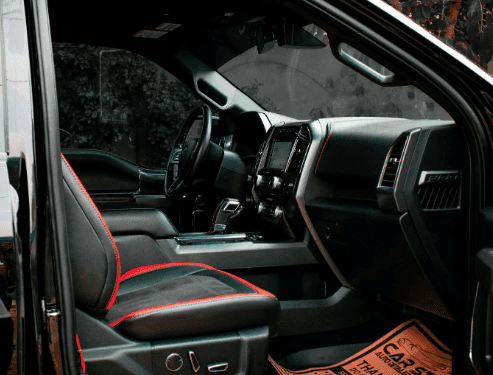
the interior of a vehicle with a red seat belt by Muhammad Amaan is licensed with Unsplash License
0 comment(s) so far on When to Replace Cabin Air Filters